Issue No. 6 · Thursday editionAwaiting editor approvalThursday, November 19, 2026 · America/New York
Lead story · United States, with worldwide impact · November 18–19, 2026
Anthropic, the company behind Claude, raises $81 billion in a record stock sale
The AI lab priced its shares above the expected range on Wednesday, valuing it at about $1.5 trillion. Its stock is set to start trading on the Nasdaq today under the ticker “ANT.”
The Tech Page staff · Issue No. 6 draft · Source-checked November 19, 2026
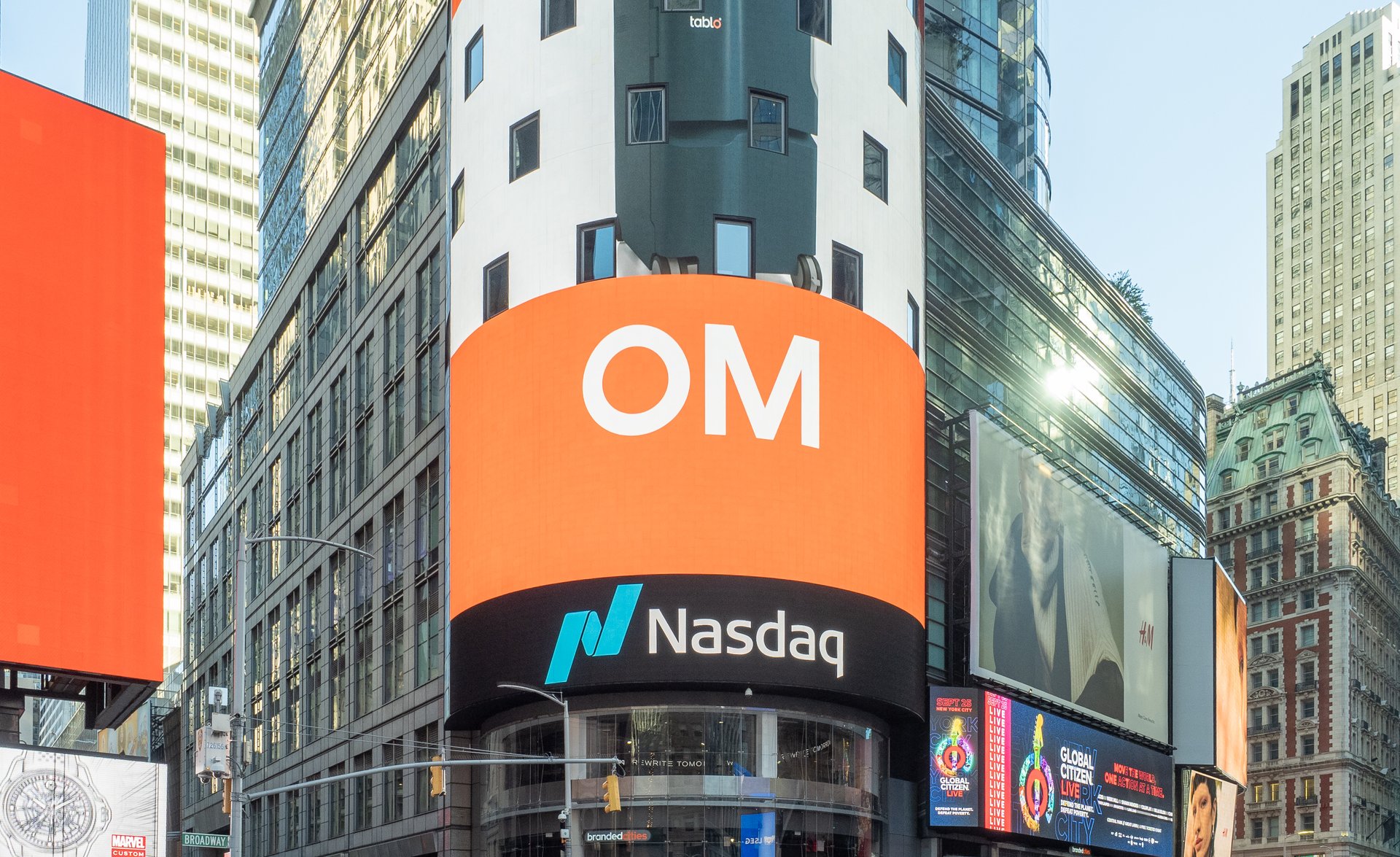
The Nasdaq MarketSite in New York’s Times Square, photographed in September 2021. The screens show unrelated ads. This is not a photo from this week.
Photo: ajay_suresh / Wikimedia Commons (CC BY 2.0)
On Wednesday, November 18, Anthropic, the San Francisco company that makes the Claude AI models, set the price for its first sale of stock to the public, called an initial public offering, or IPO. It sold 980 million shares at $83 each, above the $70 to $78 range it suggested last week. That adds up to about $81.3 billion, which CNBC calls the largest IPO on record, topping SpaceX’s sale in June. (SpaceX’s total later grew to $85.7 billion when its bankers bought extra shares, and Anthropic’s bankers have a similar option to buy up to 147 million more.) Counting every share, Anthropic is now valued at about $1.5 trillion.
Shares are set to start trading today on the Nasdaq stock exchange under the ticker symbol “ANT,” and CEO Dario Amodei and his fellow co-founders are scheduled to ring the bell that opens the market, The Guardian reports. Amodei and a small group of researchers left OpenAI to start Anthropic in 2021. This year its growth has been explosive, driven largely by Claude Code, its AI coding tool: revenue for the first nine months of 2026 was $33.24 billion, up about 1,200% from the same stretch last year, according to its filing.
It is also spending enormous sums. Anthropic reported a $104 billion net loss for those nine months, though CNBC notes that most of it came from an accounting charge tied to some of its earlier funding deals, not from day-to-day costs. Its biggest bill is computing power: it has committed to more than $70 billion for data centers over the next 12 months and more than $450 billion by 2030, The Guardian reports. Big tech is deeply tied in. Amazon and Google each own stakes worth more than $100 billion, and Google, Microsoft, Nvidia, and AMD agreed to buy a combined $26 billion of shares at the IPO price.
The timing is tense. CNBC calls the listing a major test for AI after a rough stretch, including last week’s exit of Nvidia CEO Jensen Huang and a voter backlash against AI in the midterm elections. Anthropic’s filing lists more than 90 pages of risks. Rival OpenAI has confidentially filed to go public and has said its debut is likely in 2027. “I think if we do this right, we can create an age of miracles,” Amodei said in a video for investors, adding that the company has to “very carefully address” the ways the technology can go wrong.
Join free to read the full articles. You also get the day’s lead story, headlines, and a weekly roundup by email, plus The Daily Word and the tech calendar. It is free. This form does not send your details anywhere; this device only remembers that you joined, and your first name.
The daily lead story, by email each morning
The day’s headlines from around the world
A weekly roundup
The Daily Word, tied to that morning’s news
The tech calendar of upcoming events
More stories
From Issue No. 6 · November 18–19, 2026
Worldwide · AI · November 18
Google’s new Gemini 4 Neon aims to be smart and fast at the same time
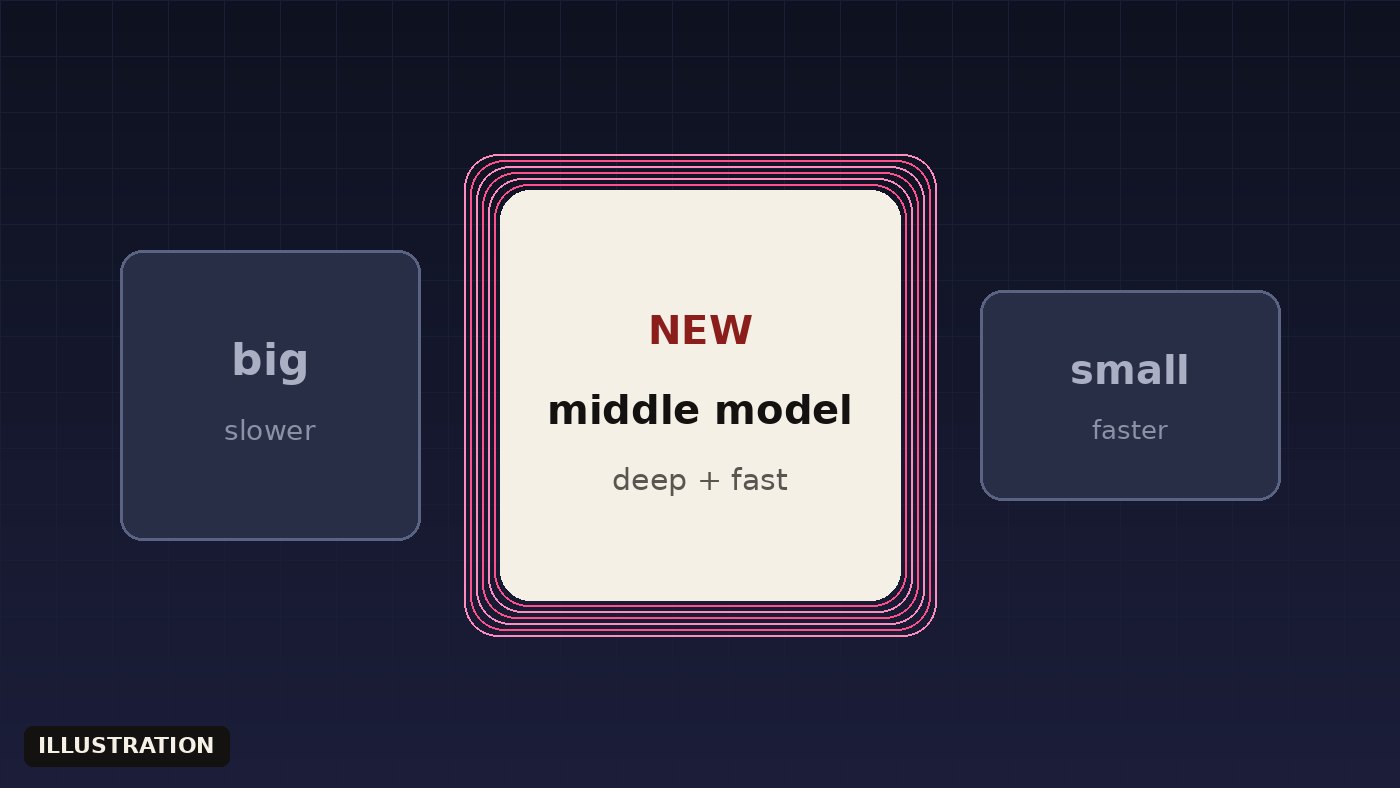
Google released Gemini 4 Neon on Wednesday, a new AI model that sits between its biggest model, Gemini 4 Carbon, and its quickest, Gemini 4 Hydrogen. Google says Neon is built for complicated coding, research, and science work, but finishes tasks faster and more cheaply than larger models, and it can take in about 1 million tokens (the chunks of text AI reads) at once. Google says it ranks near the top of several outside leaderboards and had its lowest rate yet of making things up in Google’s own internal tests; those are the company’s claims. It is rolling out now to paying Google AI Pro and Ultra subscribers in the Gemini app, and to developers for $3 per million input tokens.
Illustration: a simple graphic, not Google’s logo or product.
America’s biggest school districts threaten to drop Google Search over its AI
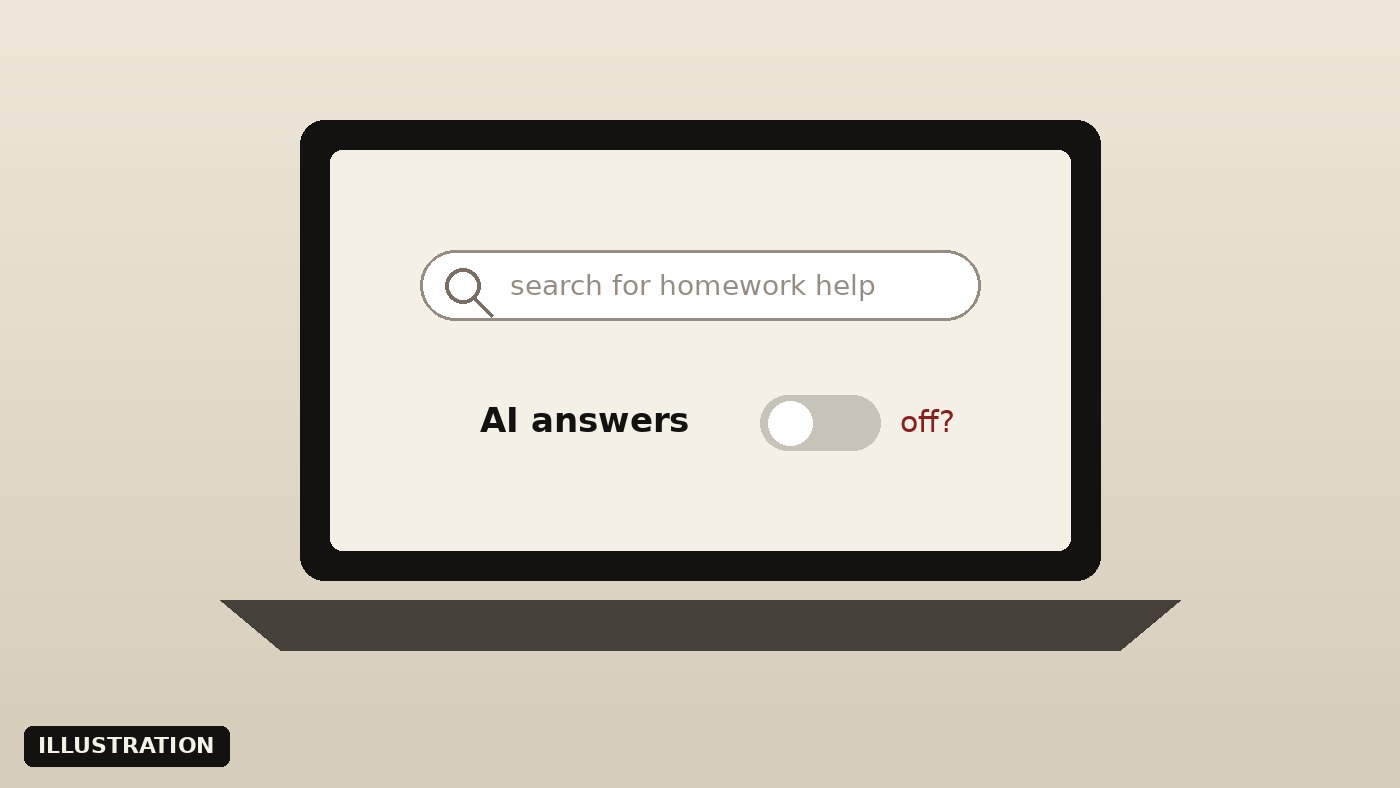
Google has told schools that starting next year, they won’t be able to switch off its Gemini AI features without also losing Google Search, The New York Times reported, according to The Verge. Now public schools in New York City, Los Angeles, and Chicago are considering other search engines. “If Google doesn’t reconsider their position, we will explore other search options,” said New York City schools chancellor Kamar H. Samuels. NYC Mayor Zohran Mamdani and Senator Bernie Sanders were among officials who called Google’s move “extortion.” Google says it shares the goal of helping students learn, is testing a step-by-step “Guided Learning” mode in Search this month, and that next year the Gemini app, Gemini Notebook, and Search will start switched off until each school picks what to turn on.
Illustration: a generic laptop, not a real Google screen.
Nvidia stops shipping its approved AI chips to China
On Nvidia’s earnings call, interim CEO Colette Kress said the company is “no longer shipping licensed Hopper data center products to China.” That includes the H200, a powerful AI chip the U.S. allowed Nvidia to sell to approved Chinese buyers starting in January, after months of lobbying by former CEO Jensen Huang. Nvidia sold $2.4 billion of those chips to China last quarter, about 2% of its revenue, but Kress didn’t say why it stopped or whether the halt is permanent. China had already been holding back approval for big imports: about 600,000 H200s were waiting in Hong Kong earlier this month, Reuters reported. Nvidia’s board has also set up a new panel to oversee national-security issues and export rules, CBS News reports.
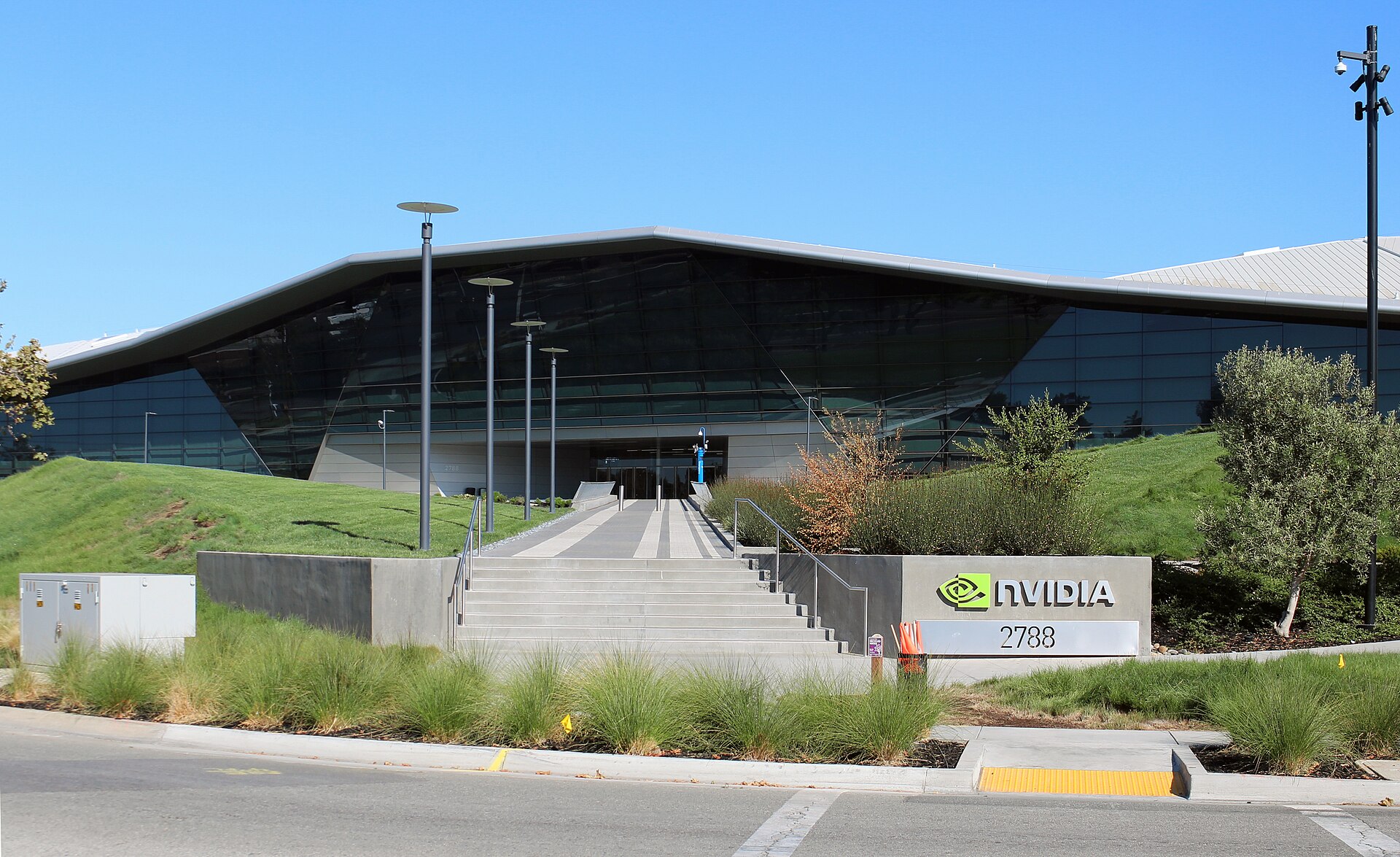
Photo: Nvidia’s headquarters in Santa Clara, California, August 2018; not a photo from this week. Coolcaesar / Wikimedia Commons (CC BY-SA 4.0).
Trump and Xi meet in Shenzhen and split over how to handle AI
President Trump and Chinese President Xi Jinping met on Thursday afternoon in Shenzhen, China (overnight in the U.S.), during the Asia-Pacific Economic Cooperation (APEC) summit. It was their third meeting this year. Xi said the two countries should work together against AI safety risks and “ensure that AI is always under human control,” according to China’s foreign ministry. Trump told leaders at the summit that the U.S. opposes “any form of globalist regulation” of AI, Euronews and AFP report. China’s official account says both sides called the talks “positive and constructive” and agreed to draw up an action plan to keep relations stable. The meeting came days after the U.S. moved to cut Chinese AI companies off from using advanced American chips remotely through data centers abroad, CBS News reports.
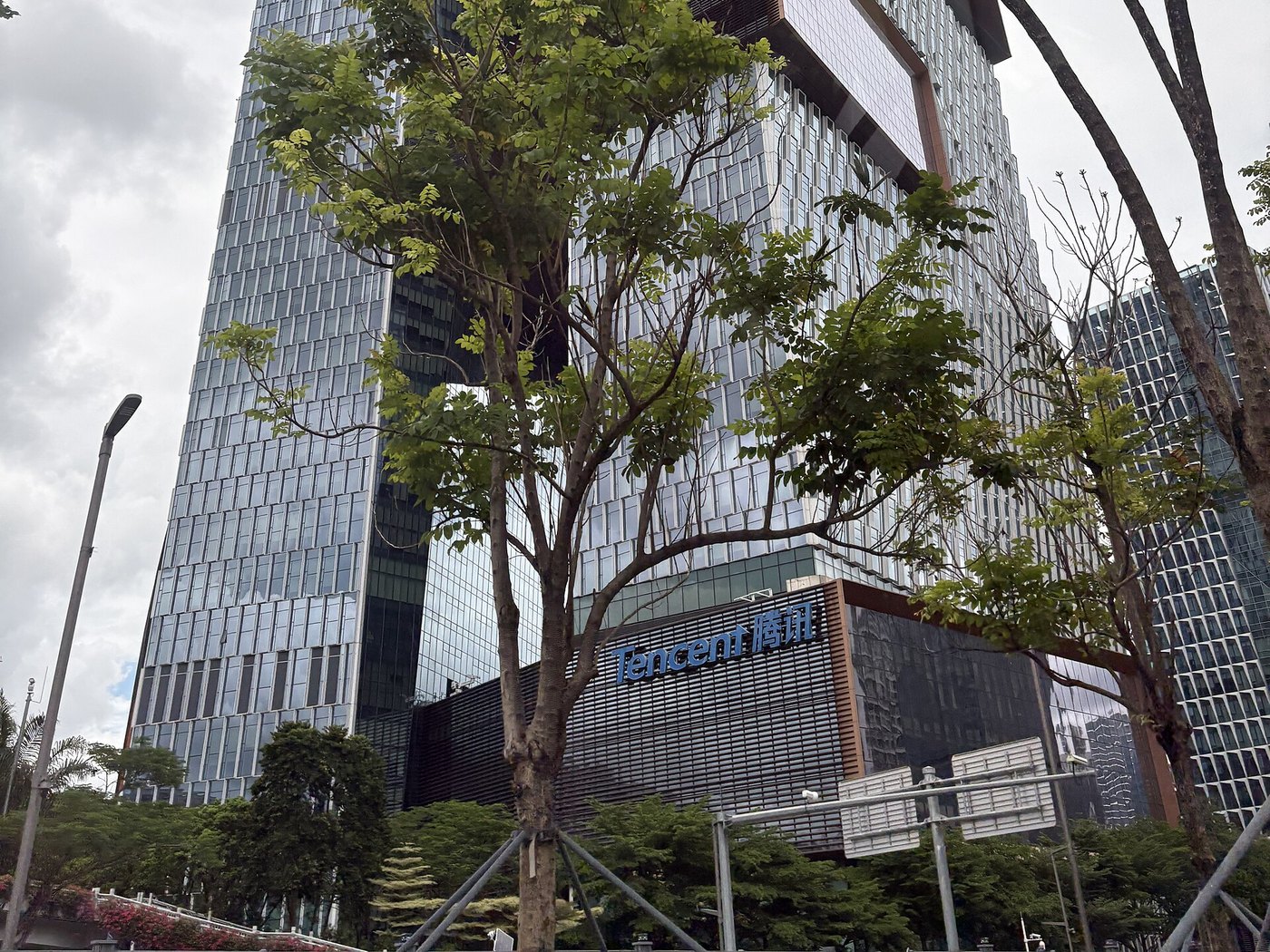
Photo: Tencent’s Seafront Towers in Shenzhen, the summit’s host city, June 2026; not a photo of the meeting. Chainwit. / Wikimedia Commons (CC BY 4.0).
Hackers get into London travel-card accounts, including cards for kids and teens
Transport for London (TfL), which runs London’s subway and buses, said about 265,000 people with Oyster photocards (discount travel cards for kids, teens, students, older people, and others) had personal details exposed in a cyber breach spotted on Monday. Names, email and home addresses, phone numbers, dates of birth, and security questions and answers were accessed, the BBC reports. TfL says no photos, passwords, or bank details were taken, and that for children with Zip Oyster cards, only the account holder’s address was exposed, not the child’s name or birthday. TfL told cardholders to change their password and security answers, and to change the same login details on any other site where they reused them.
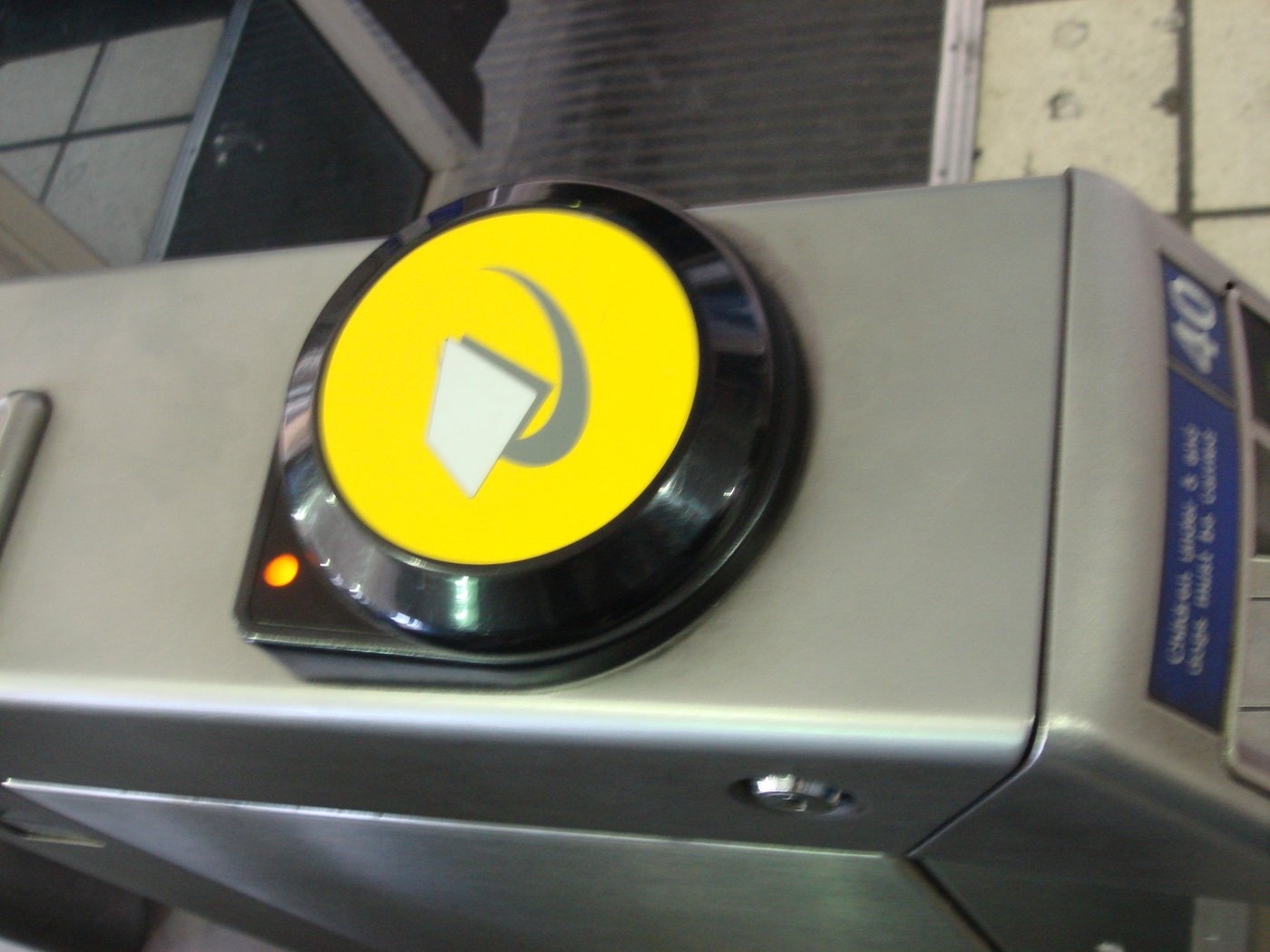
Photo: an Oyster card reader on a London Underground ticket gate, 2007; not a photo of the breach. Oxyman / Wikimedia Commons (CC BY 2.5).
United States · Startups and security · November 18
Palo Alto Networks will buy AI startup Applied Compute for $4.5 billion
Cybersecurity giant Palo Alto Networks agreed to buy Applied Compute, a startup that helps companies customize and run “open-weight” AI models, whose inner settings are published so anyone can download and adapt them. The deal is paid in Palo Alto stock and valued at $4.5 billion. CEO Nikesh Arora said every company will run a mix of open and closed models, “and every one of those models needs to be secured.” Applied Compute’s co-founder and CEO, Yash Patil, will become a co-chief AI officer at Palo Alto. The deal still needs regulators’ approval and is expected to close in Palo Alto’s fiscal third quarter of 2027, which falls in early 2027.
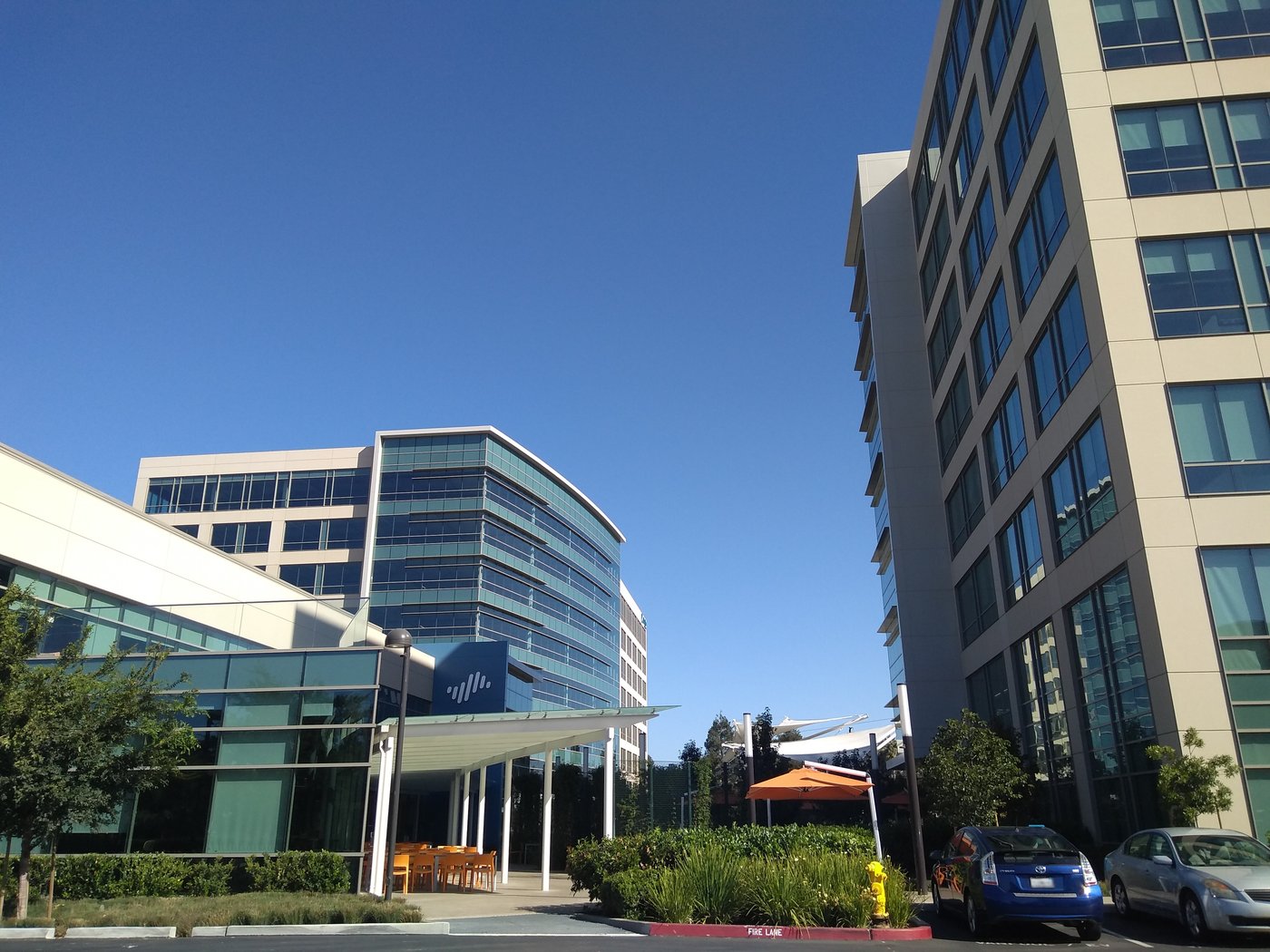
Photo: Palo Alto Networks’ headquarters in Santa Clara, California, October 2018. Namaste jinx / Wikimedia Commons (CC BY-SA 4.0).
Voyager 1 stops sending data just as it reaches one light-day from Earth
NASA says Voyager 1, the 1977 probe that this week became the first human-made object one light-day from Earth, stopped sending science and engineering data on November 14. A giant dish antenna in Canberra, Australia, still picks up its “carrier signal,” a basic radio tone, which shows the spacecraft is still pointed at Earth and its radio works. Engineers think the trouble is in the onboard computer that packages data to send home. Fixing it could take weeks or longer, because every command takes 24 hours to arrive and the reply another 24 hours to come back. A similar problem in 2023 was solved. NASA still plans to celebrate the light-day milestone today, using the signal and the probe’s well-known path.
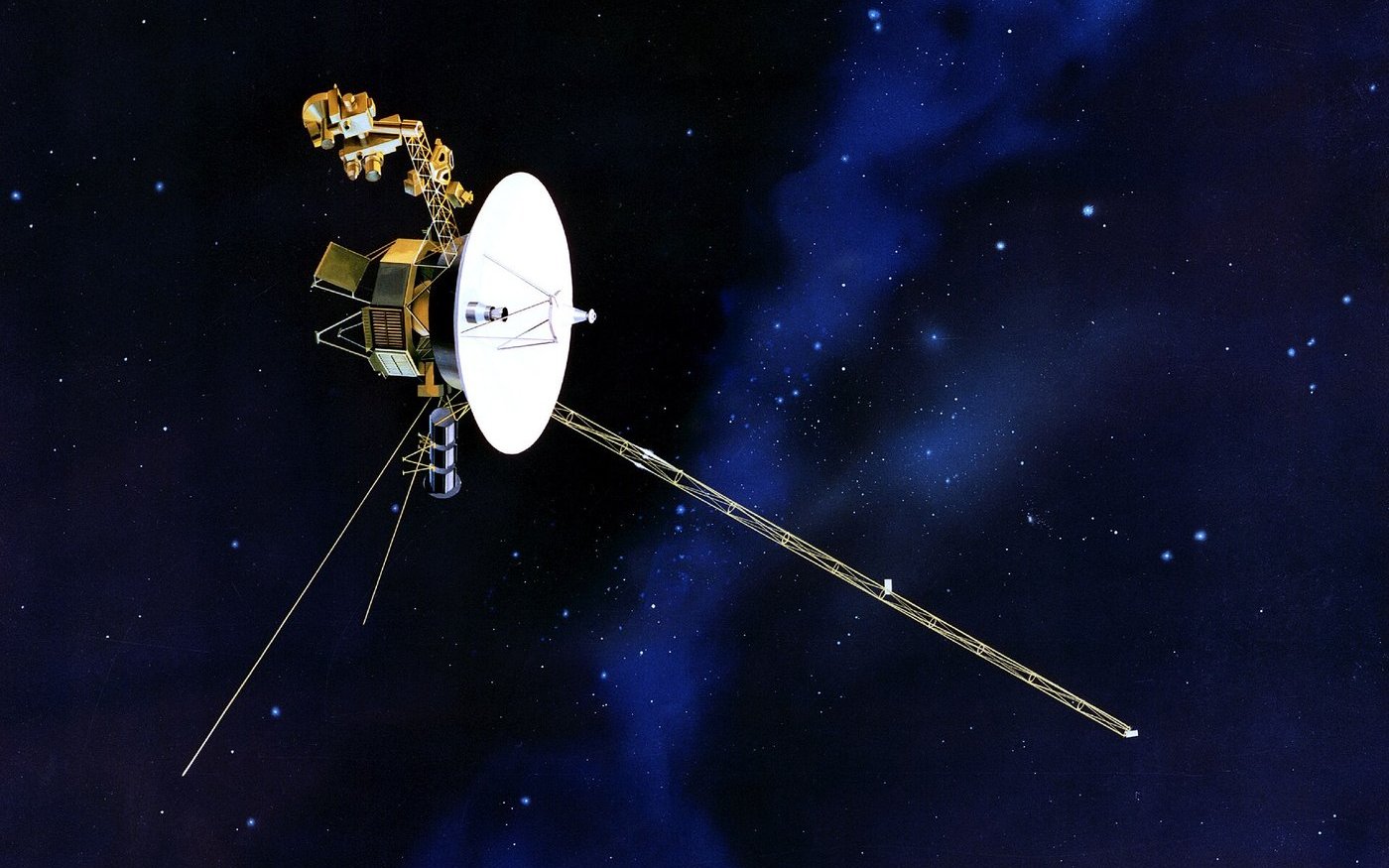
Artist’s concept of a Voyager spacecraft, not a photograph. NASA/JPL / Wikimedia Commons (public domain).
Instagram finally lets you fix a typo in your Story
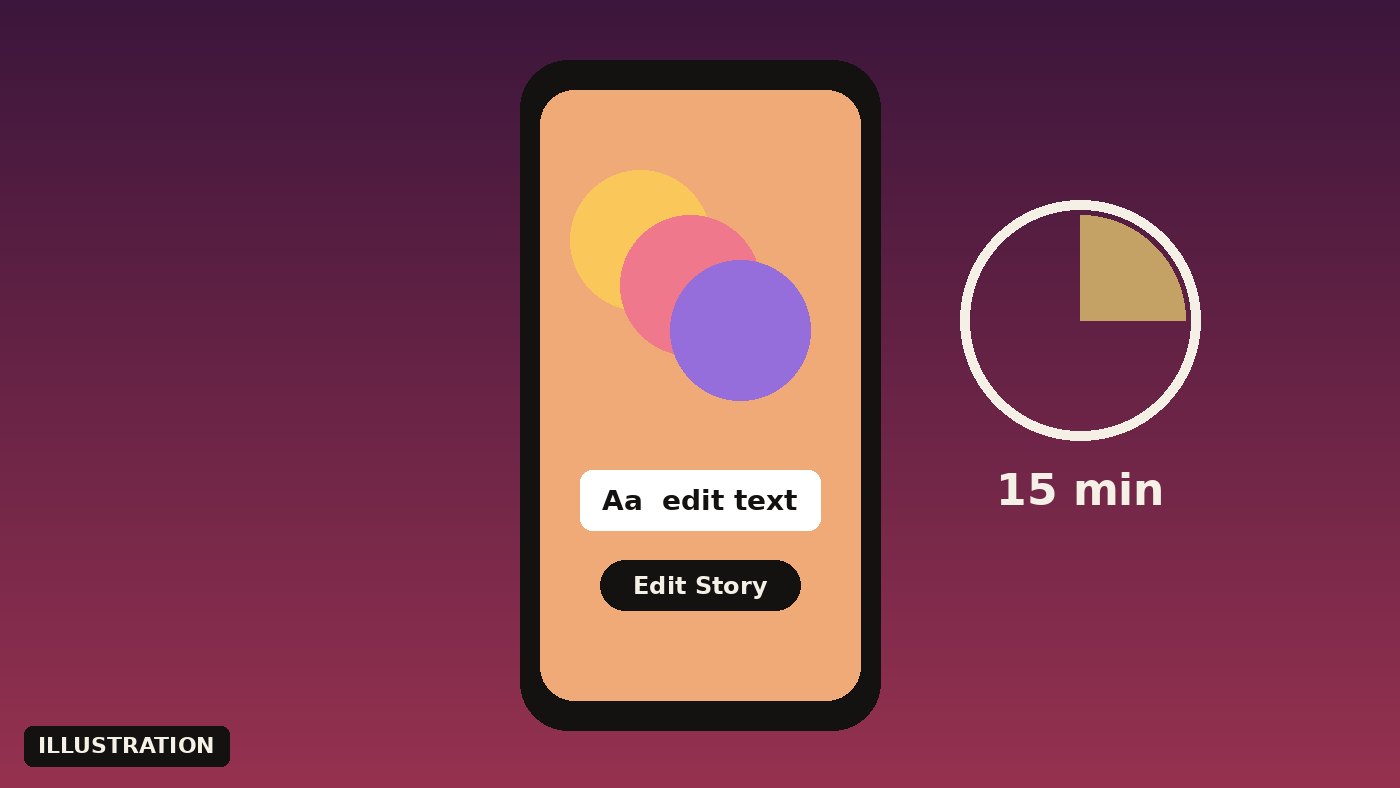
Instagram now lets you change the text, music, stickers, and drawings in a Story for up to 15 minutes after you post it, without losing views, likes, or replies, Instagram head Adam Mosseri announced, The Verge reports. Before, you had to delete the Story and post it again. To edit, open your Story, tap the three-dot menu in the bottom-right corner, and choose “Edit Story.” The update also brings new fonts, colors, and sticker shapes, plus new blur and gradient backgrounds.
Illustration: a generic phone screen, not Instagram’s app.
OpenAI says its AI models are now helping design computer chips. Changes its models suggested shrank key parts of OpenAI’s own Jalapeño chip by about 10% to 13%, and chipmaker AMD saw gains of up to 14% on its flagship graphics-chip design; AMD has already used some of the changes in a chip sent for manufacturing. These are OpenAI’s own results. OpenAI
Astronomers used NASA’s James Webb Space Telescope to confirm a first: a star a bit lighter than the Sun spiraled into a giant star about seven times the Sun’s mass and 350 times as wide, in the nearby Andromeda galaxy, and the two merged. The study was published Wednesday in the journal Nature. NASA Science
Waymo has paused robotaxi rides on freeways in all of its U.S. cities after California’s DMV banned its driverless cars from state freeways, citing repeated trips into active construction zones, including three cars that entered a closure on U.S. 101 near Burlingame. Waymo says no one was hurt in the U.S. 101 incident, and its city-street rides continue. The ban was made public Tuesday. TechCrunch
In Japan, Rakuten Securities said login IDs from 11.25 million accounts may have been exposed in a breach traced to November 11, and more sensitive personal and banking details from 4.47 million accounts might also have been accessed. It says passwords and trading PINs were not taken. The Japan Times
Grand Theft Auto VI is out today on PS5 and Xbox Series X|S. Xbox’s store still lists the age rating as pending and warns it may contain content inappropriate for children, so check with a parent first. Xbox
Coming up: Anthropic’s first day of trading (Nasdaq: ANT) is today; NASA’s Voyager event is today at noon ET; and the G20 leaders’ summit, with leaders of the world’s biggest economies, comes to Miami on December 14–15. See the Calendar. U.S. State Department
Photographs are stored in the local images/ folder and were chosen because they are officially published or released under a Creative Commons or public-domain license. Captions state when a picture is from an earlier date or a different place than the news event. Generated images are labeled “Illustration” and are not photographs of real events, products, or people.
Hero, Nasdaq MarketSite, Times Square, New York (September 19, 2021): ajay_suresh / Wikimedia Commons, CC BY 2.0.
Nvidia headquarters, Santa Clara (August 4, 2018): Coolcaesar / Wikimedia Commons, CC BY-SA 4.0.
Tencent Seafront Towers, Shenzhen (June 2026): Chainwit. / Wikimedia Commons, CC BY 4.0.
Oyster card reader, Kilburn Park station, London (March 2007): Oxyman / Wikimedia Commons, CC BY 2.5.
Palo Alto Networks headquarters, Santa Clara (October 2018): Namaste jinx / Wikimedia Commons, CC BY-SA 4.0.
Voyager spacecraft, artist’s concept: NASA/JPL / Wikimedia Commons, public domain.
AI-model, school-search, and Story-editing images: illustrations made for this draft, each labeled “Illustration.”