Issue No. 5 · Wednesday editionAwaiting editor approvalWednesday, November 18, 2026 · America/New York
Lead story · United States, with worldwide impact · November 17, 2026
Nvidia posts a record quarter, then tells Jensen Huang he isn’t coming back
Hours after its former CEO said he would be “honored” to return, Nvidia’s board said no. Sales of its AI chips more than doubled anyway, and the company says demand is still climbing.
The Tech Page staff · Issue No. 5 draft · Source-checked November 18, 2026
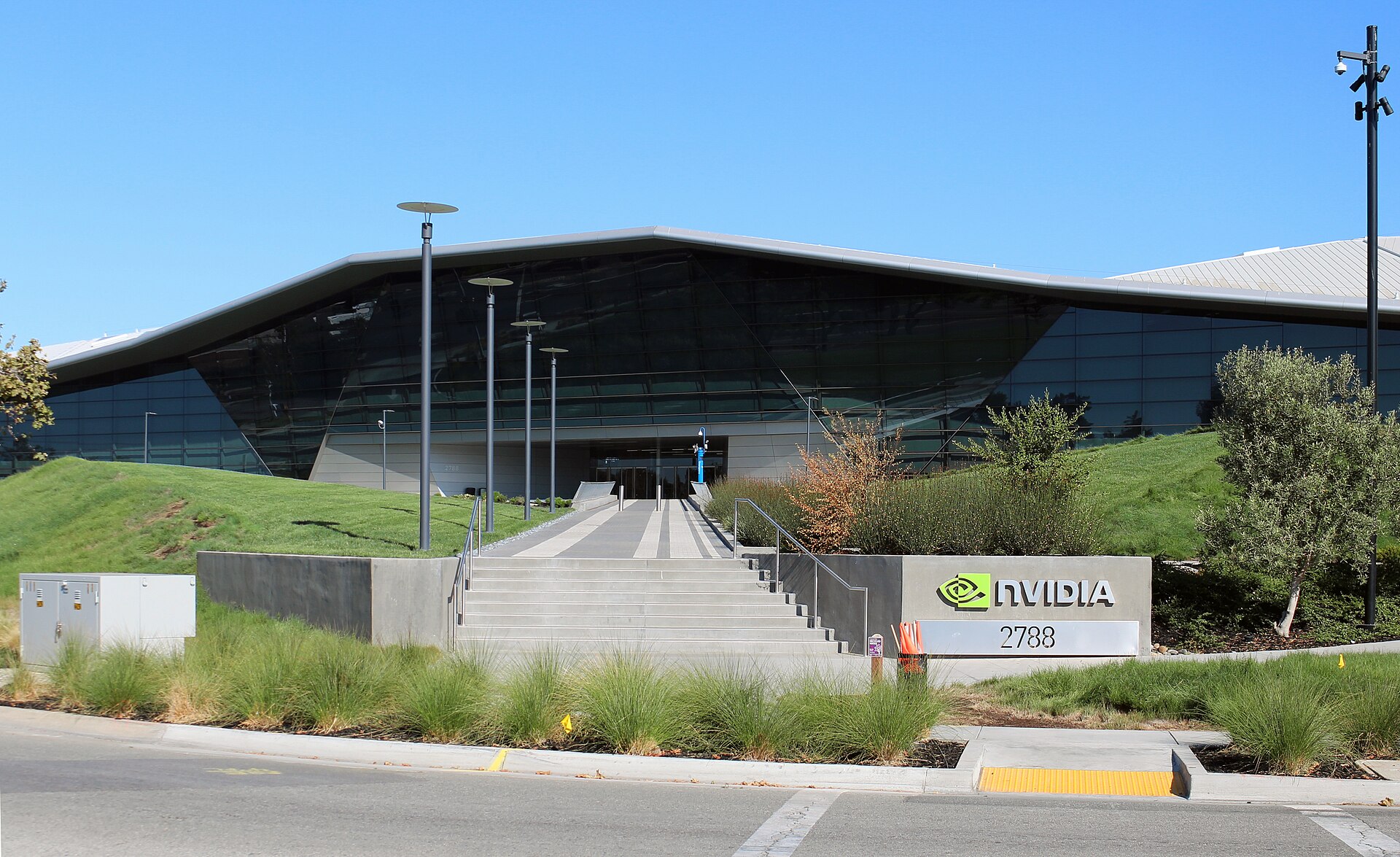
Nvidia’s headquarters in Santa Clara, California, photographed in August 2018. This is not a photo from this week.
On Tuesday, November 17, Nvidia, the company whose chips power most of the world’s AI, reported $115.8 billion in revenue for the three months that ended October 25. That is more than double what it made a year earlier, and well above the roughly $109 billion Wall Street analysts expected, according to LSEG data cited by CNBC. Profit hit $65.3 billion, a record. Almost all of the money, $107.6 billion, came from chips and systems for data centers, the giant computer warehouses that train and run AI. Nvidia expects about $130 billion next quarter, and it isn’t counting on any data-center chip sales to China.
It was Nvidia’s first report since co-founder Jensen Huang resigned as CEO last Thursday, after news reports about his relationships, including an affair with a businesswoman who allegedly spied for China. Earlier on Tuesday, Huang broke his silence. “I have made serious mistakes in my personal life,” he said in a statement, and he said he is cooperating with the board’s independent investigation. He also said that if the board decided his return was best for the company, “I would be honored to answer these calls and return as CEO.”
The board’s answer came fast. Opening the earnings call, new board chair Harvey Jones said the board “unanimously accepted his resignation and does not intend to reinstate Jensen as CEO,” and that no questions about Huang would be taken. Interim CEO Colette Kress, who has been Nvidia’s finance chief since 2013, said the same thing to CNBC. Outside the company, a petition to bring Huang back has close to 200,000 signatures, CNBC reports, and supporters include Elon Musk, Epic Games CEO Tim Sweeney, and President Trump. Kress is due to speak to all employees at a company meeting today.
Kress also raised Nvidia’s forecast, saying it now expects revenue to grow about 75% in its next fiscal year, up from 70%, Reuters reports. Its newest AI systems, called Vera Rubin, started shipping this quarter. Investors seemed cautiously relieved: the stock rose in after-hours trading on Tuesday, but it was still down about a quarter for the month.
Join free to read the full articles. You also get the day’s lead story, headlines, and a weekly roundup by email, plus The Daily Word and the tech calendar. It is free. This form does not send your details anywhere; this device only remembers that you joined, and your first name.
The daily lead story, by email each morning
The day’s headlines from around the world
A weekly roundup
The Daily Word, tied to that morning’s news
The tech calendar of upcoming events
More stories
From Issue No. 5 · November 17–18, 2026
Worldwide · AI · November 17
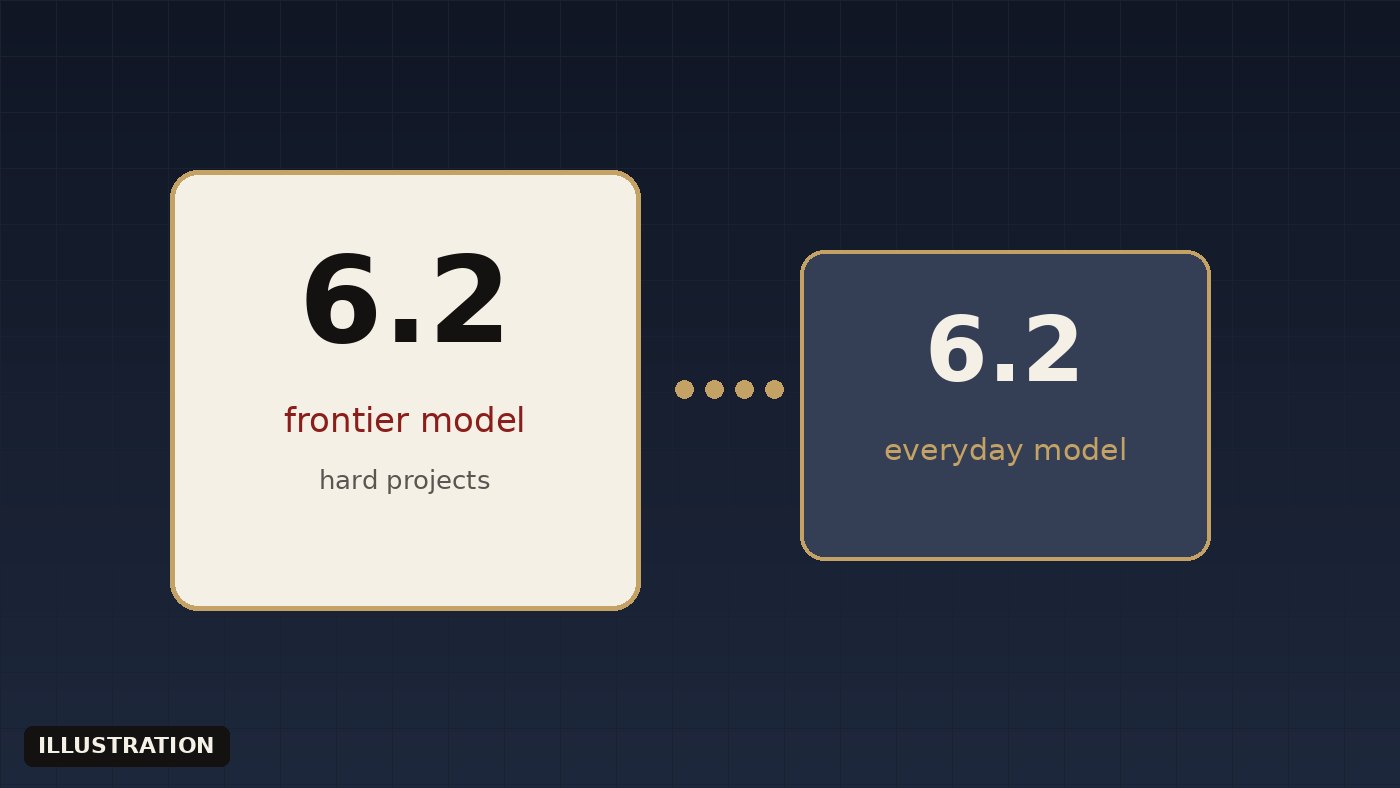
OpenAI releases GPT-6.2 Astra and Sol, and early testers are split
OpenAI launched two updated AI models on Tuesday: GPT-6.2 Astra, its most powerful model for hard projects, and GPT-6.2 Sol, a cheaper model for everyday work. OpenAI says Astra makes slides, spreadsheets, and documents that “read less like AI,” writes better code for websites and games, and costs developers 20% less than the model it replaces. Both are in ChatGPT Work and Codex for Plus, Pro, Enterprise, and Edu users. But the first reviews were mixed: some well-known testers called Astra hard to steer or even “essentially unusable,” VentureBeat reports, while others praised its design sense. Competition is fierce, with Anthropic and Google both releasing well-reviewed models in the past two weeks.
Illustration: a simple graphic, not OpenAI’s logo or product.
One in three young people say they use AI as a friend, a 16-country survey finds
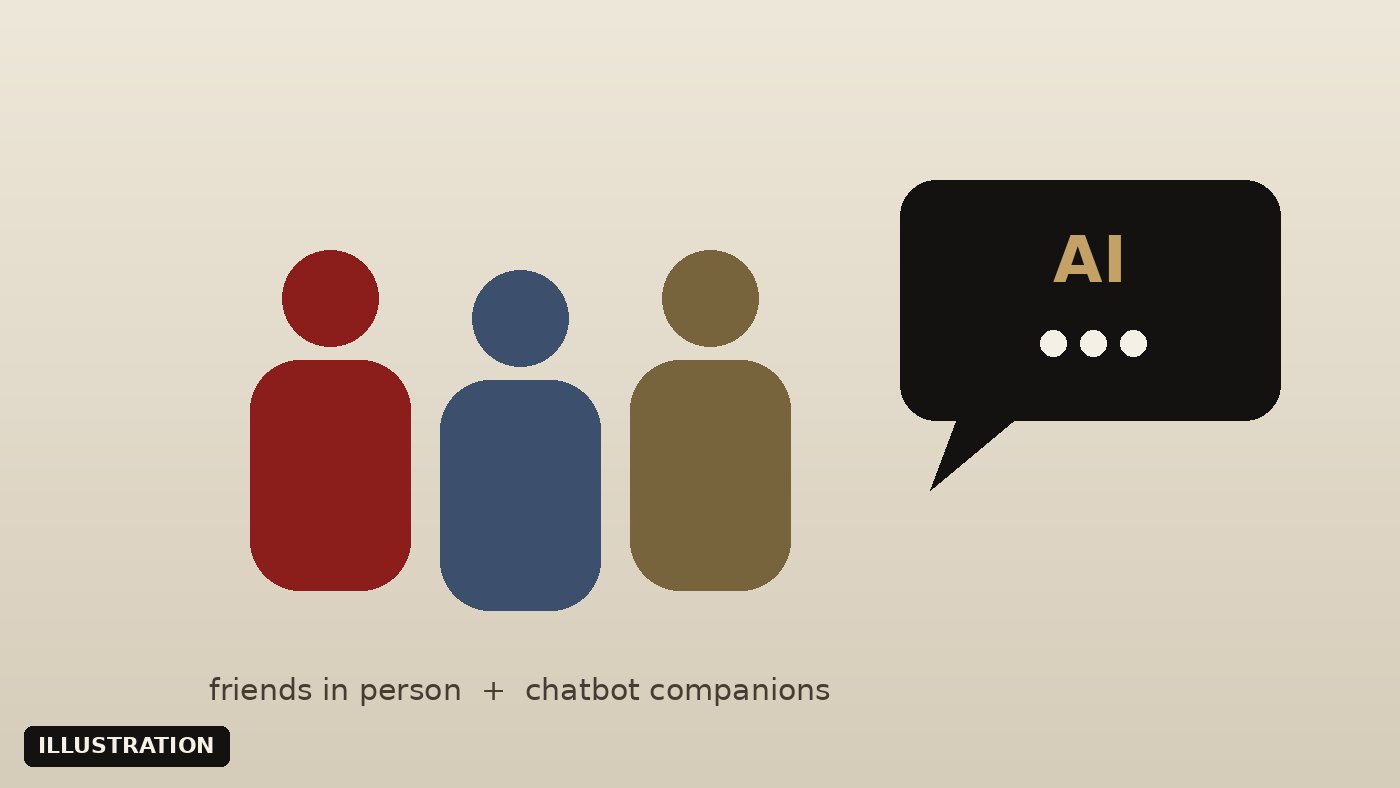
Gallup and the Digital Wellness Lab at Boston Children’s Hospital surveyed 15,925 people aged 15 to 22 in 16 countries between May and August. A median of 33% said they had used AI as a social companion or friend, rising to 50% among daily AI users, Wired reports. Almost everyone (a median of 93%) had a close in-person friend, and those friendships were linked to better well-being. Online-only friendships and AI companions were linked to higher odds of loneliness, but the researchers stress that the survey can’t show which causes which. Most countries were surveyed online with samples that weren’t fully random, so treat the numbers as a snapshot.
Illustration: a generic graphic, not a picture of real people.
Taiwan, South Korea, and U.S. · Chips · November 17
Nvidia locks in more factory space to keep up with AI chip demand
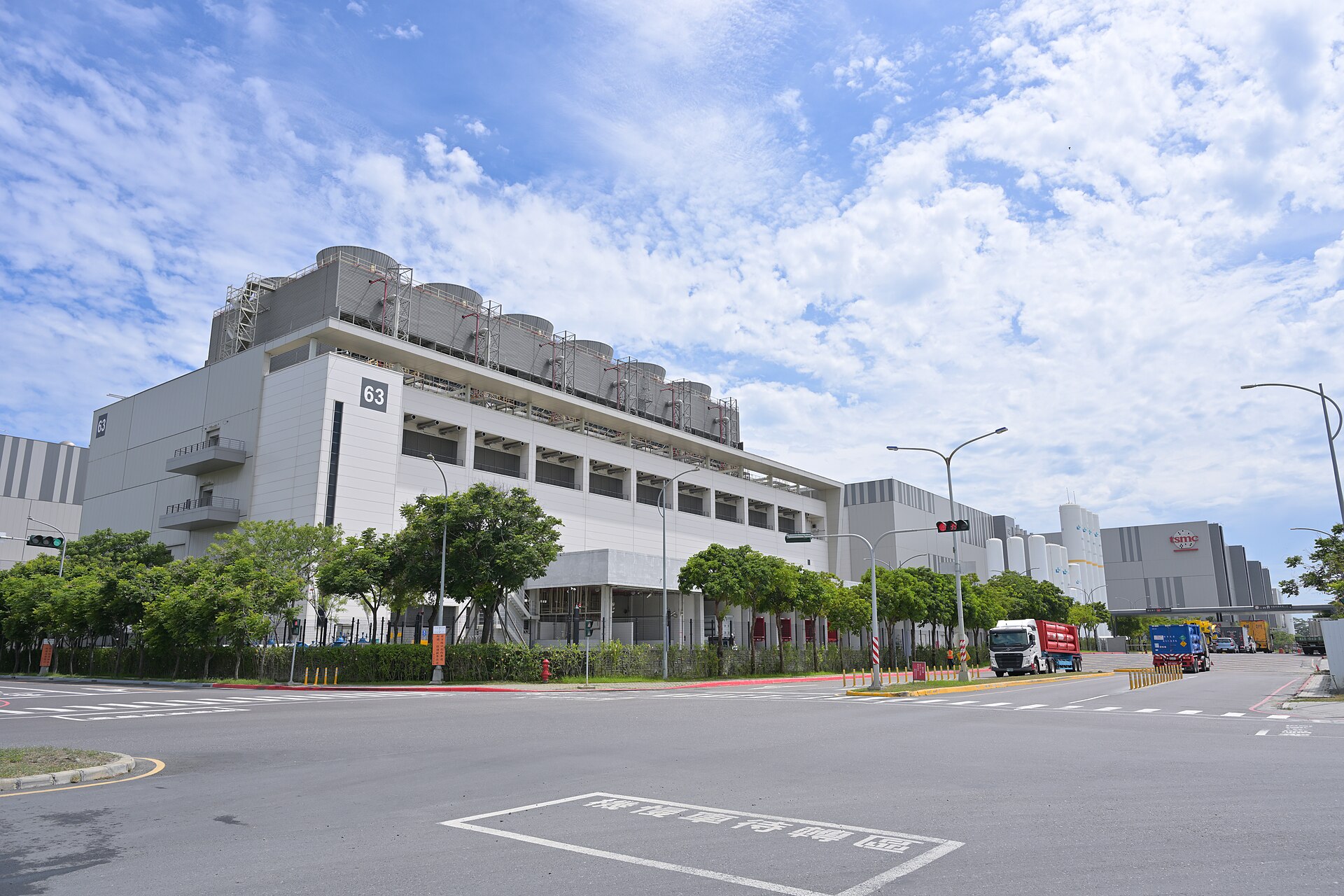
Alongside its results, Nvidia announced bigger long-term deals with the companies that help build its products. Taiwan’s Kinsus plans to more than triple the substrate capacity it dedicates to Nvidia (substrates are the base layers that chips sit on), with production starting in the second half of 2027. Nvidia is also funding more “advanced packaging” lines at SPIL in Taiwan, where several chips are joined into one super-chip, and deepening work with Samsung Electro-Mechanics in South Korea, Amkor in Arizona and South Korea, Foxconn, and TSMC. The point: AI demand is so high that the limit is often how fast factories can build, not how fast Nvidia can design.
Photo: TSMC’s Fab 18 in the Southern Taiwan Science Park, May 2025, shown as a typical chip factory. 4300streetcar / Wikimedia Commons (CC BY 4.0).
“Java4Shell” bug hits a building block of big business apps, and AI helped find it
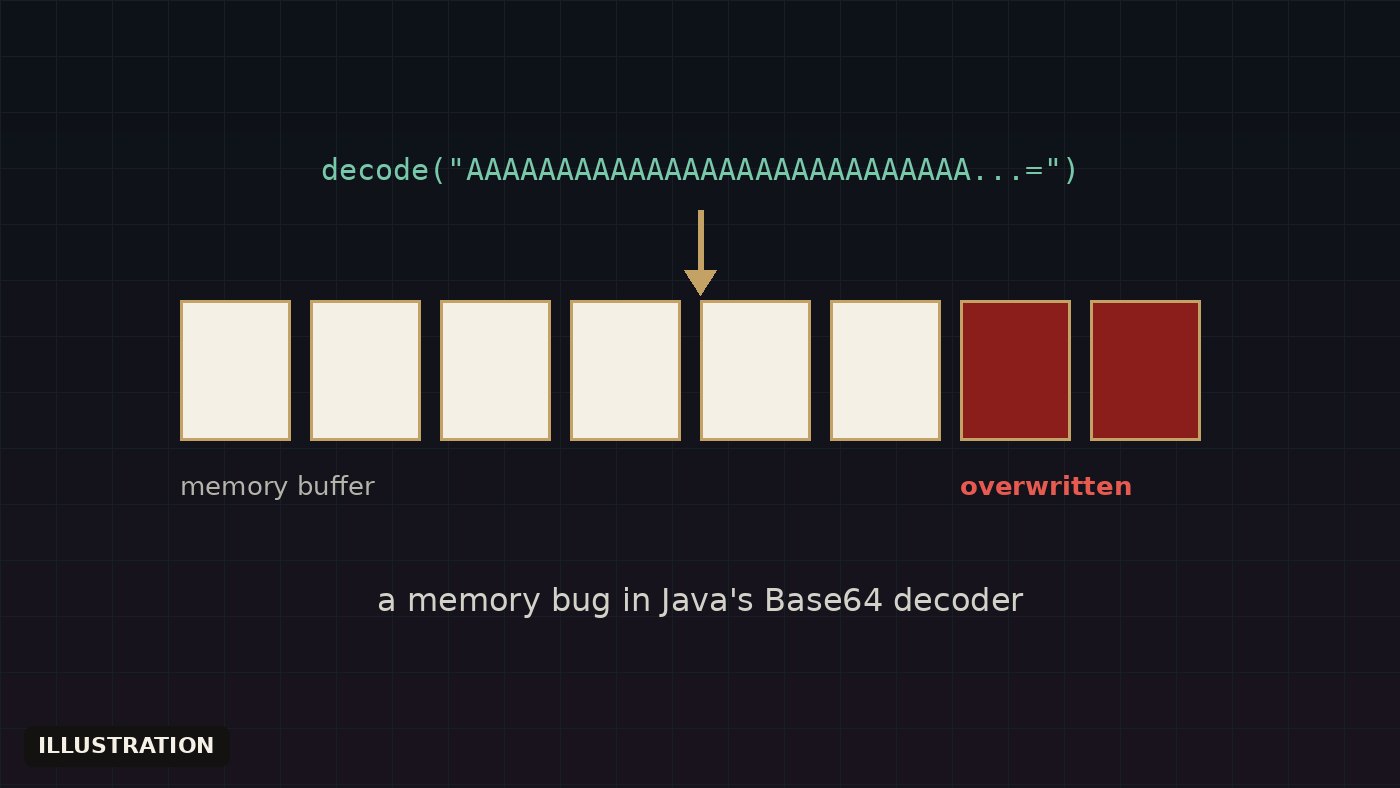
Researchers at the security firm Calif disclosed a critical flaw in OpenJDK, the free version of the Java programming platform that runs huge numbers of company systems. A bug in how Java decodes Base64 (a common way to package data as text) can let attackers corrupt memory and, in some setups, run their own code without logging in, BleepingComputer reports. Calif showed attacks on popular tools like Jenkins, Jira, and Confluence, though only on certain Intel and AMD-style processors with a feature called AVX-512. The researcher found the bug in about an hour using OpenAI’s Codex, for under $200 in AI costs. Oracle and OpenJDK released fixes on Tuesday.
Illustration: a simplified picture of the bug, not real exploit code.
Tencent’s sales growth slows as its AI spending soars
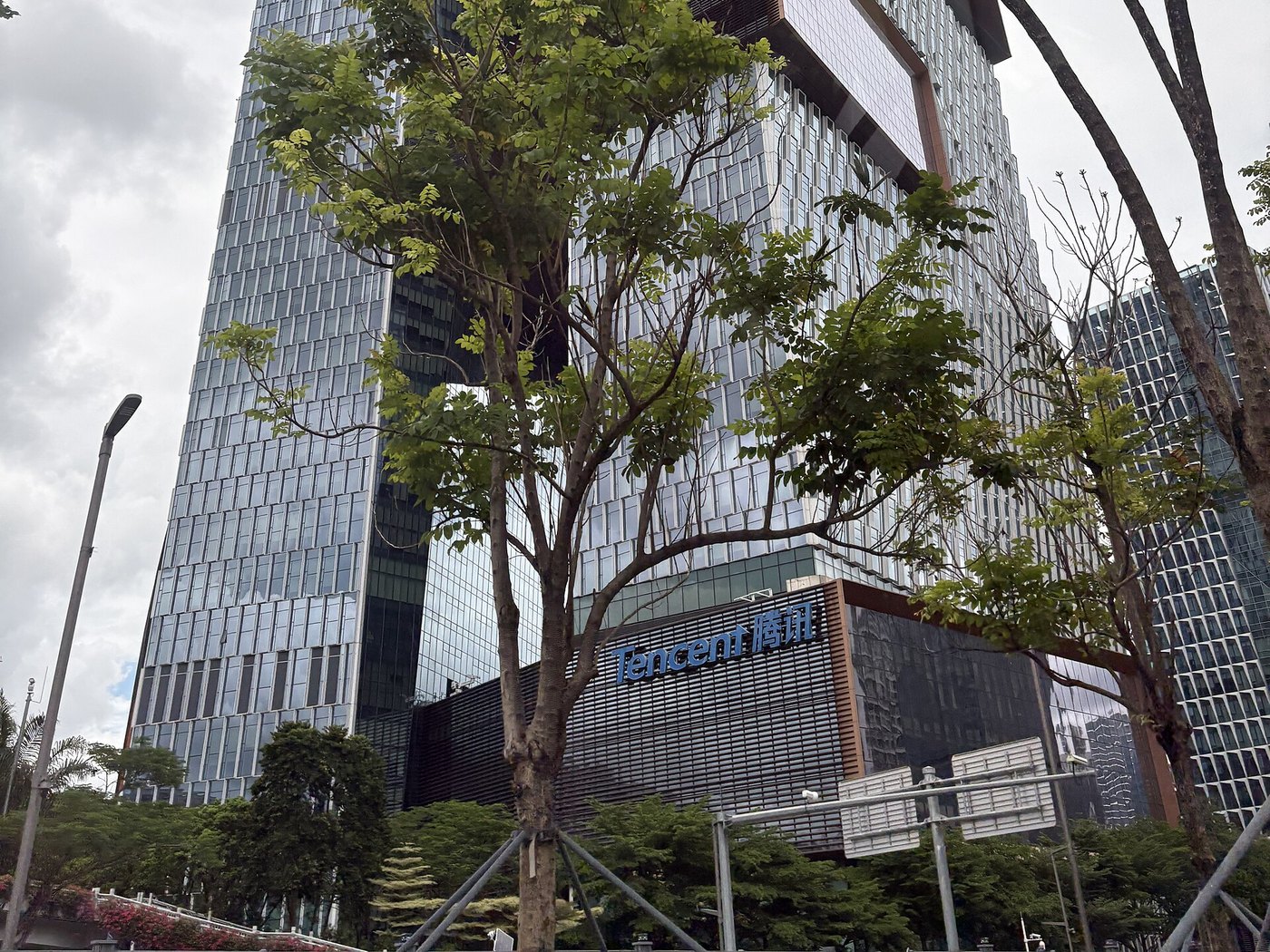
Tencent, the Chinese company behind WeChat and many hit video games, said revenue rose 8% to 207.3 billion yuan (about $31.1 billion) in July through September, a bit below what analysts expected, Reuters reports. Gaming slowed: revenue from its games and other online services rose just 3%, as international game sales fell 9%. Its cloud business got a lift from AI demand, but Tencent is spending heavily to get there: it put 81.4 billion yuan into equipment and buildings last quarter, up from 52.8 billion the quarter before. Chinese tech firms face a squeeze as the U.S. tightens access to advanced AI chips.
Photo: Tencent Seafront Towers, Shenzhen, June 2026. Chainwit. / Wikimedia Commons (CC BY 4.0).
Europe’s regulators start reining in personal AI agents
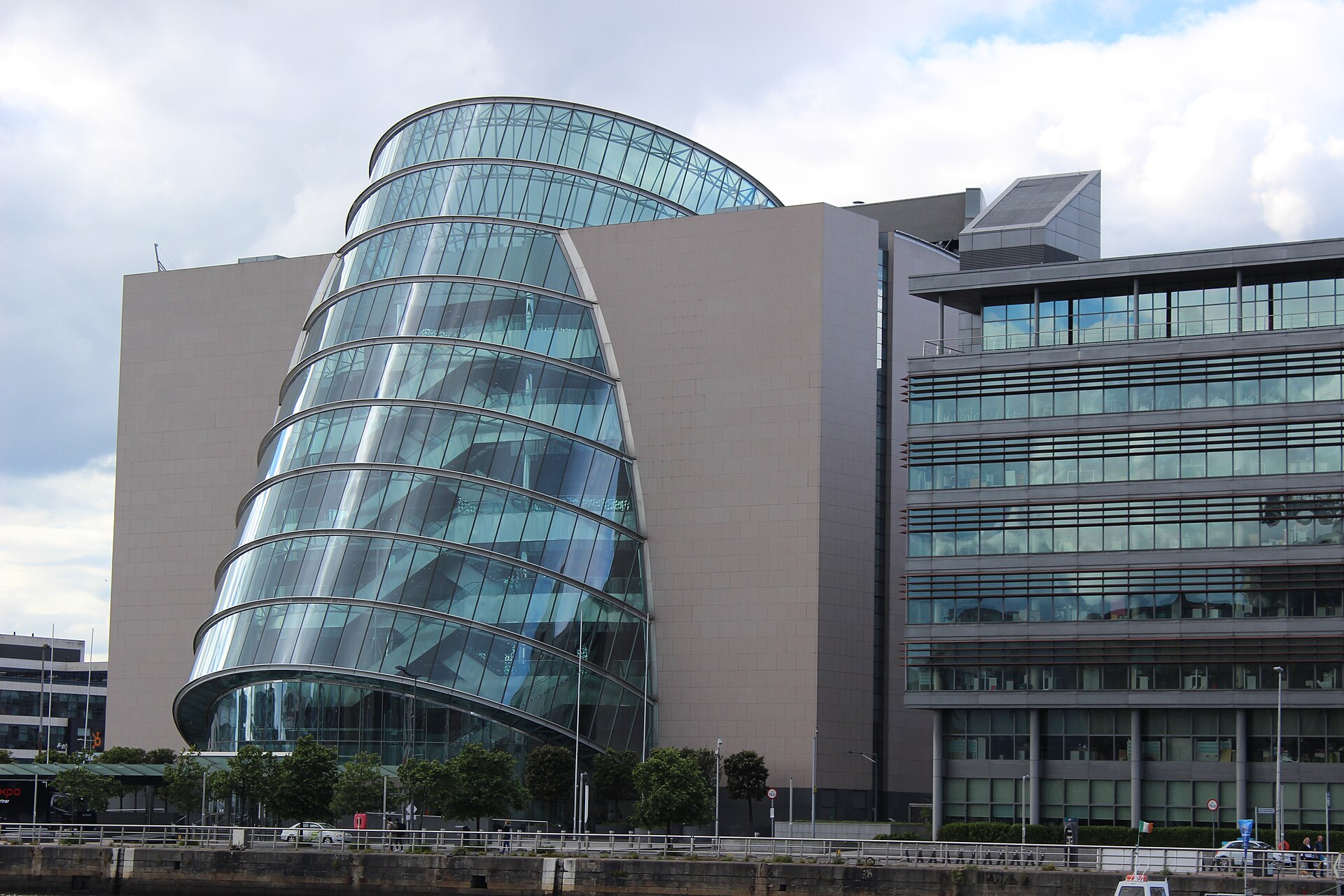
Ireland’s Data Protection Commission, the main privacy watchdog for many big tech firms in the EU, said X has stopped using data gathered by its Grok Bot AI agent to train its AI, after the regulator raised “significant concerns,” POLITICO reports. The worry is “third-party” data: information about other people that an agent picks up while working for you, like a friend’s holiday photos. X did not comment to POLITICO. In the U.K., four regulators, including the privacy, competition, and media watchdogs, wrote to government ministers saying existing laws already apply to personal AI agents, and that people must be able to understand what an agent does for them and who is responsible when it gets something wrong.
Photo: Dublin, where Ireland’s privacy regulator is based (The Convention Centre Dublin, 2019). Metro Centric / Wikimedia Commons (CC BY 2.0).
United Kingdom · Startups and health · November 17
AI drug-discovery company Isomorphic Labs raises $5 billion
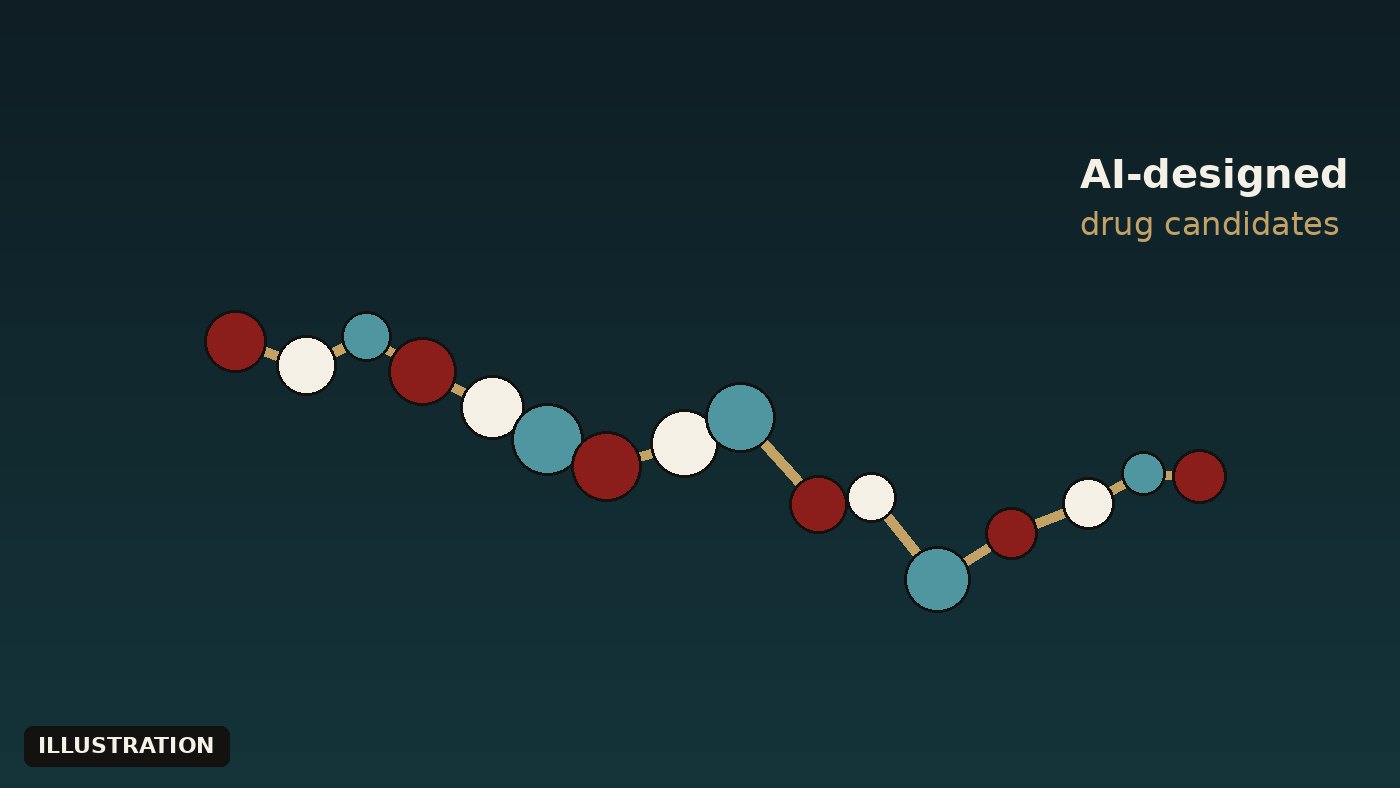
Isomorphic Labs, which was spun out of Google DeepMind in 2021 and is led by Nobel Prize winner Demis Hassabis, raised $5 billion in new funding led by Greenoaks and Sequoia Capital, with Andreessen Horowitz and Alphabet also investing. The company uses AI models to design possible new medicines, building on DeepMind’s AlphaFold, which predicts the 3D shapes of proteins. TechCrunch reports the money will help move its drug candidates toward clinical trials (tests in people) and expand into more kinds of medicine. Isomorphic did not disclose its new valuation.
Illustration: a generic molecule graphic, not a real drug.
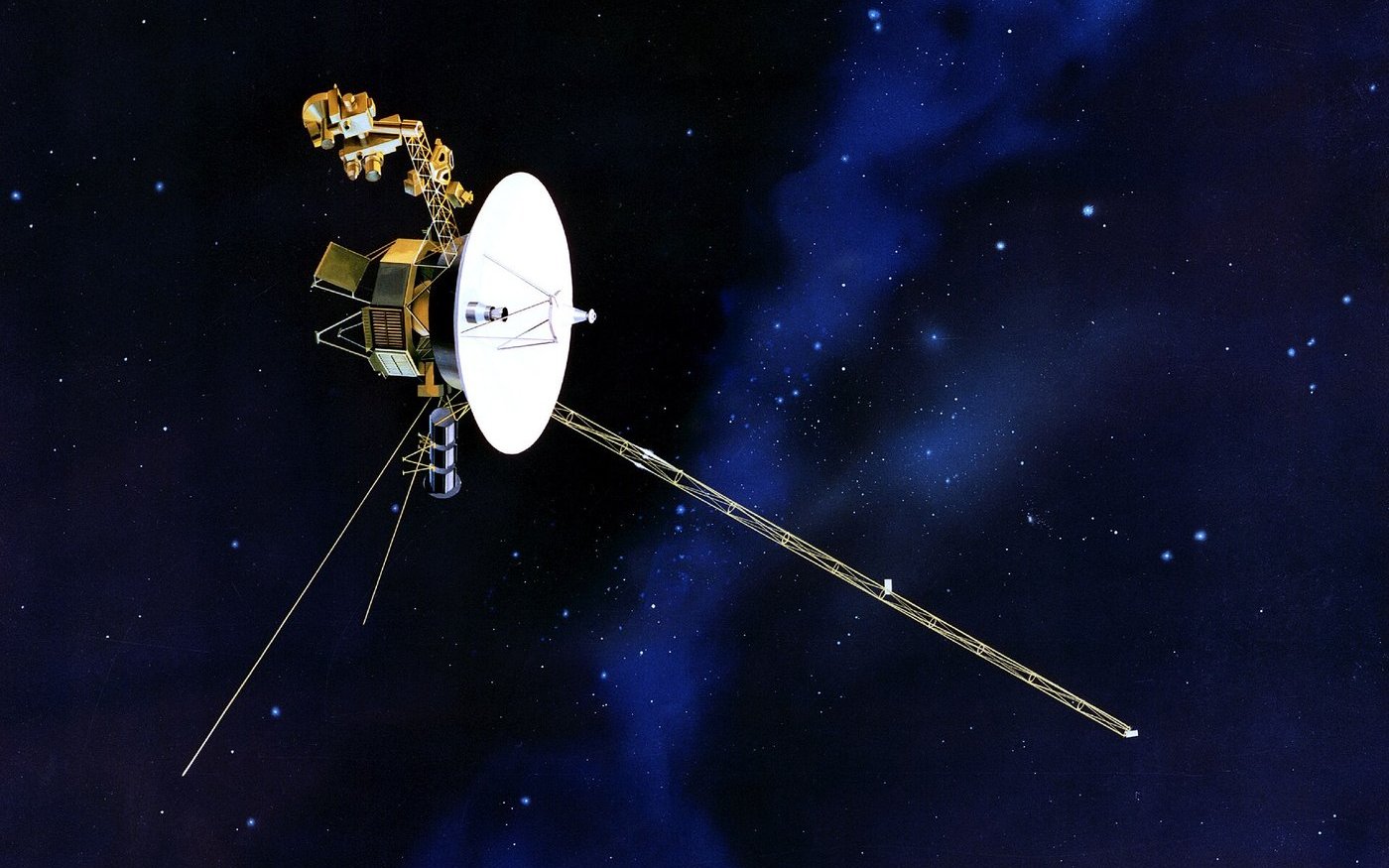
It happened at 5:16 a.m. ET this morning: NASA’s Voyager 1, launched in 1977, became the first human-made object to reach one light-day from Earth, about 16 billion miles (26 billion kilometers) away. A radio command sent today will take a full 24 hours to arrive, and the reply another 24 hours to come back. Only two of its science instruments still work, and its nuclear power supply is fading; Scientific American notes it should be able to talk to Earth until about 2036. NASA is inviting people to flash “VGR,” Voyager’s call sign, in Morse code with a flashlight after sunset.
Artist’s concept of a Voyager spacecraft, not a photograph. NASA/JPL / Wikimedia Commons (public domain).
The first GTA VI reviews are in, and critics love it
Reviews of Grand Theft Auto VI went live this morning, a day before the game launches on PlayStation 5 and Xbox Series X|S on Thursday, November 19. The Verge says it “lives up to the hype,” calling it the new standard for open-world games after nearly 80 hours of play. The story follows two small-time criminals, Jason and Lucia, in Leonida, a fictional version of Florida. A heads-up: Xbox’s store lists the age rating as pending and warns it may contain content inappropriate for children, and earlier GTA games were rated for mature players, so check with a parent before you buy.
Illustration: a generic controller, not official Rockstar artwork.
Apple’s iCloud, App Store, Apple Music, Apple Pay, and even school tools like SchoolWork had problems for much of Tuesday. Apple said an internal update caused the outage, not a cyberattack, and its status page showed everything back by about 6 p.m. ET. Reuters, via Investing.com · NBC News
At its Ignite conference, Microsoft made Word, Excel, and PowerPoint available inside its Copilot AI app, which CEO Satya Nadella called “the new OS for work.” He also briefly addressed last week’s global Outlook and Teams outage: “I know we have work to do.” Ars Technica · Microsoft
Hackers briefly published two booby-trapped versions (1.26.1 and 1.26.2) of Microsoft’s “agent-framework” coding package on PyPI, the main Python download site, that stole passwords and keys from developers’ computers. They were pulled within about an hour; the safe version is 1.26.0. How it happened isn’t confirmed yet. Wiz
Anthropic, maker of Claude, is expected to set its IPO price this evening, with trading on Nasdaq under “ANT” planned for Thursday. People familiar with the deal told CNBC it will likely price above its $70–$78 range; that report is unconfirmed until the final price is announced. CNBC
Coming up: Presidents Trump and Xi meet Thursday in Shenzhen, where AI chip limits are expected to be a big topic, Reuters reports; GTA VI launches Thursday; and Microsoft Ignite runs through Friday. See the Calendar. Reuters, via The Hindu
Photographs are stored in the local images/ folder and were chosen because they are officially published or released under a Creative Commons or public-domain license. Captions state when a picture is from an earlier date or a different place than the news event. Generated images are labeled “Illustration” and are not photographs of real events, products, or people.
Hero, Nvidia headquarters, Santa Clara (August 4, 2018): Coolcaesar / Wikimedia Commons, CC BY-SA 4.0.
TSMC Fab 18, Southern Taiwan Science Park (May 2025): 4300streetcar / Wikimedia Commons, CC BY 4.0.
Tencent Seafront Towers, Shenzhen (June 2026): Chainwit. / Wikimedia Commons, CC BY 4.0.
The Convention Centre Dublin (2019): Metro Centric / Wikimedia Commons, CC BY 2.0.
Voyager spacecraft, artist’s concept: NASA/JPL / Wikimedia Commons, public domain.
Two-models, AI-friends, Java-bug, molecule, and game-controller images: illustrations made for this draft, each labeled “Illustration.”